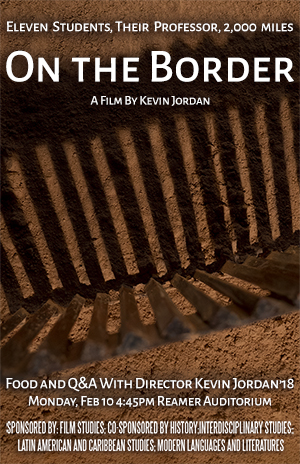
The dry, harsh, and unforgiving terrain surrounding the border claims the lives of migrants in numbers likened to an airline crash every year. In On the Border eleven students and their professor journey 2,000 miles to learn about the crisis and the humanitarian groups aiming to reduce deaths, expose abuse, and challenge an enforcement strategy that relies on the deaths of thousands of people (39 minutes) Learn more about the topics in the film Here.
Chapters
The Great Wall of Los Angeles
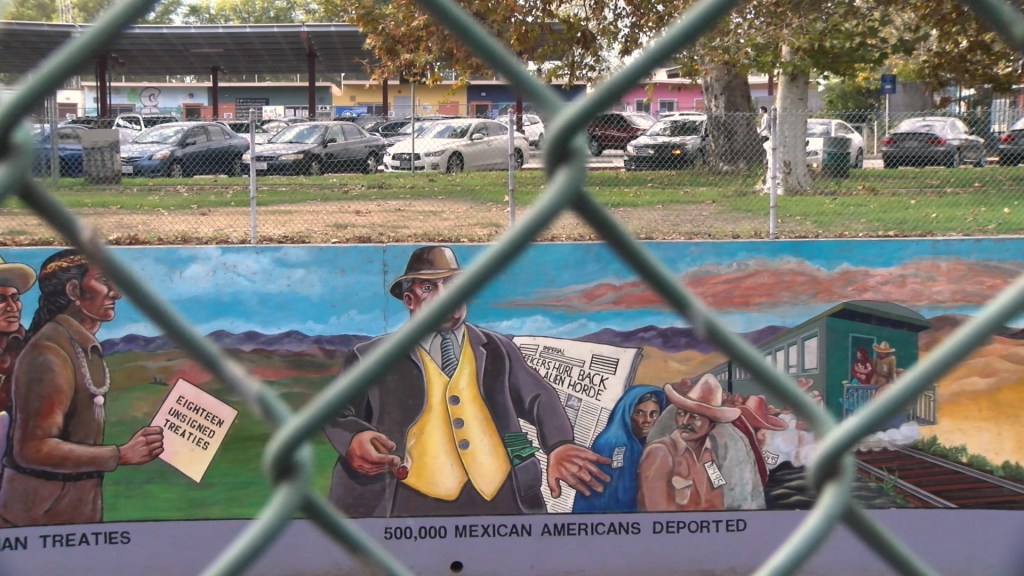
The Great Wall of Los Angeles is the longest mural in the world at 2,754 ft. It was designed by Judith Baca, coordinated by the Social and Public Art Resource Center (SPARC), and painted by over 400 youth from the L.A. area. The wall depicts the history of L.A. from Indigenous peoples to the present time.
Norma Iglesias Prieto
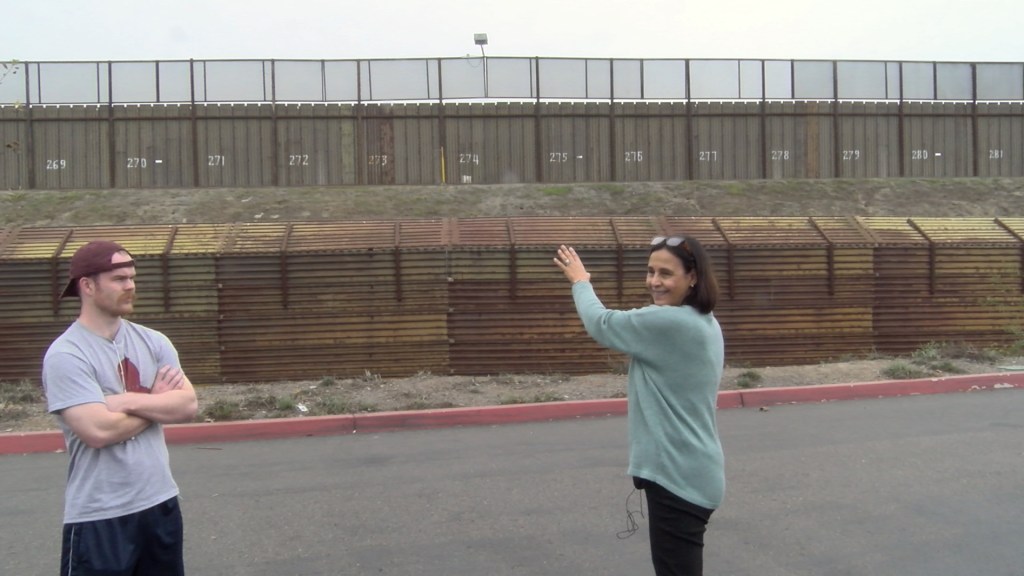
Norma Iglesias Prieto, a transborder scholar from San Diego State University explains the relationships between border policy and the political and economic systems of the United States.
International Friendship Park
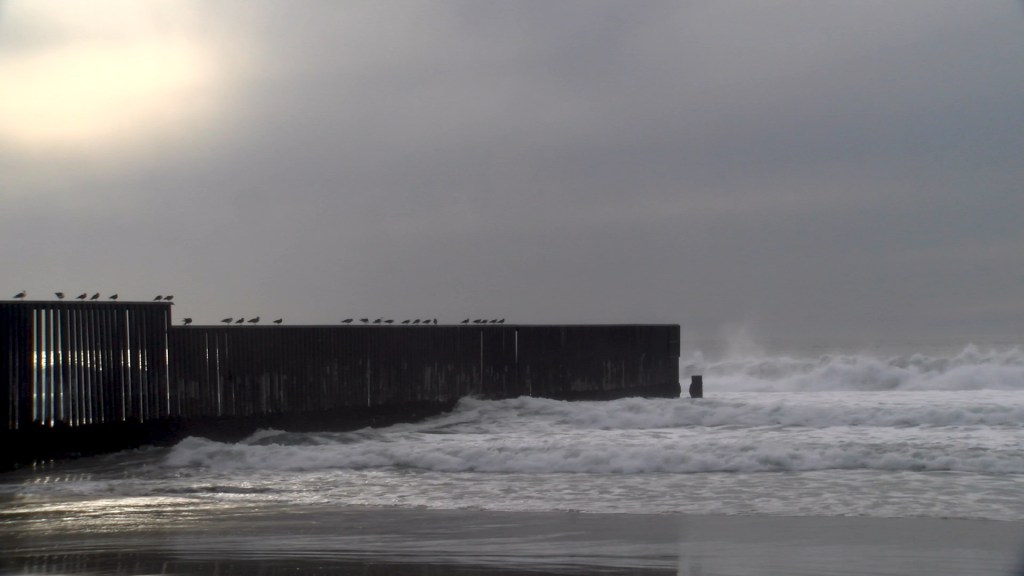
International Friendship Park separates San Diego and Tijuana and extends into the Pacific ocean. Access to the wall is only restricted on the U.S. side and is only open from 10am to 2pm on weekends. At this time, family members can greet each other through the dense metal fencing.
Coronado National Memorial
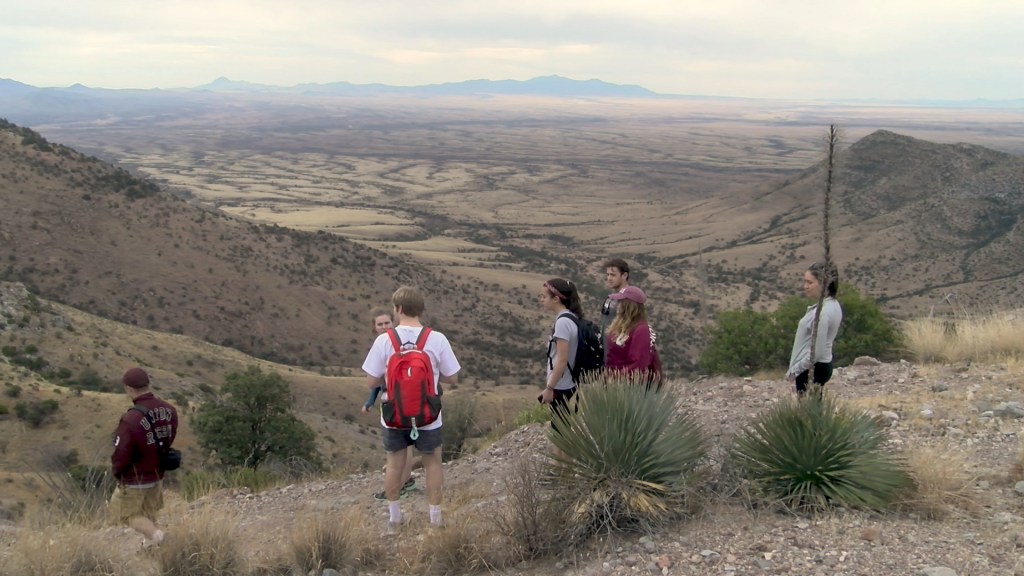
A park ranger talks to the group about the wall in the park and modern enforcement methods. Afterward, we take a hike to one of the border markers in the park.
An Introduction to Humanitarian Groups
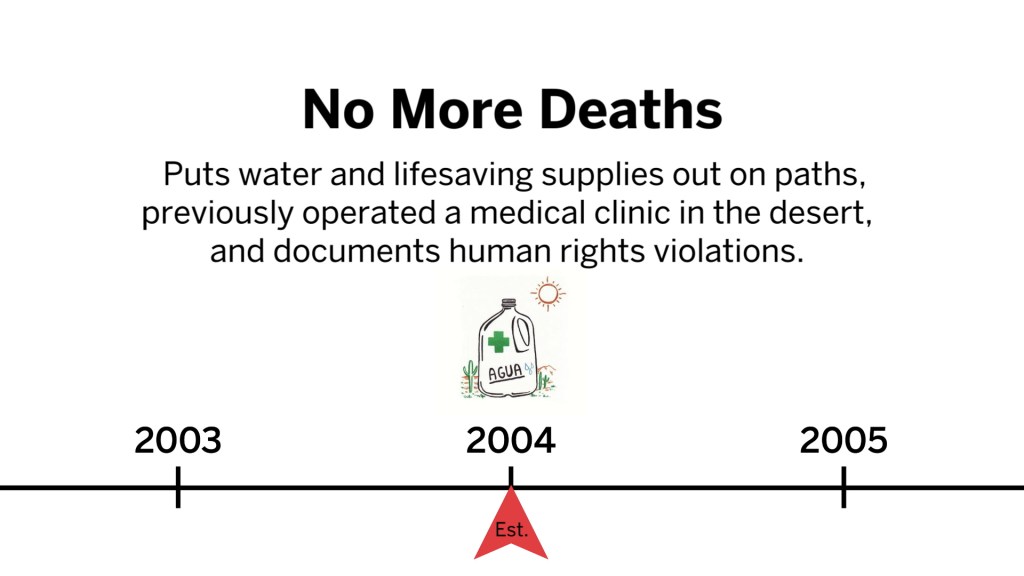
A brief introduction of the humanitarian groups Humane Borders, The Tucson Samaritans, and No More Deaths we met on the trip, including some of their main actions and initiatives.
Tucson Samaritans Meeting
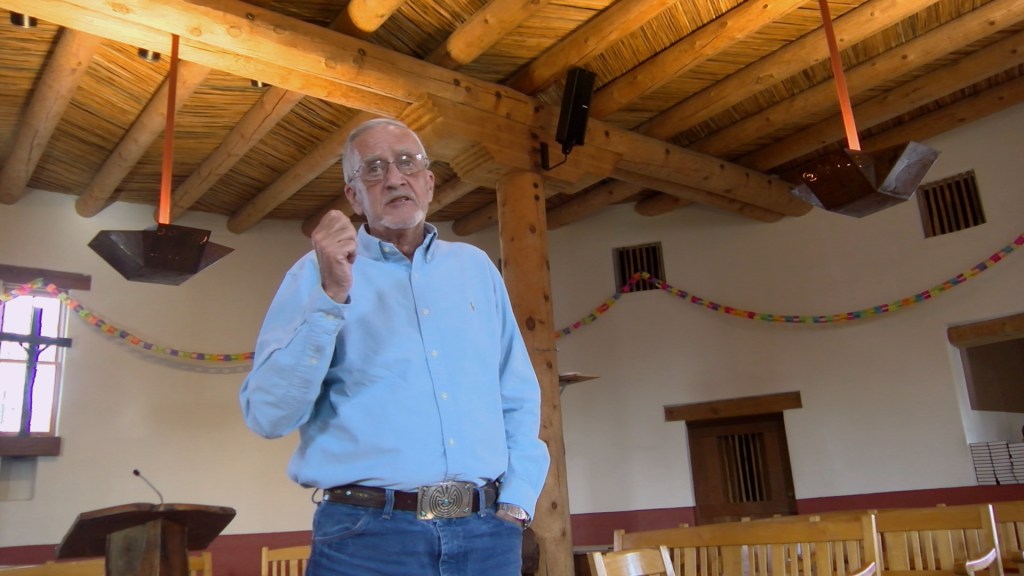
John Fife, co-founder of both the Sanctuary Movement in the U.S. and No More Deaths explains in brief, migration history, enforcement efforts, the humanitarian crisis, and humanitarian responses.
Iglesia Luterana Cristo Rey Immersion Program
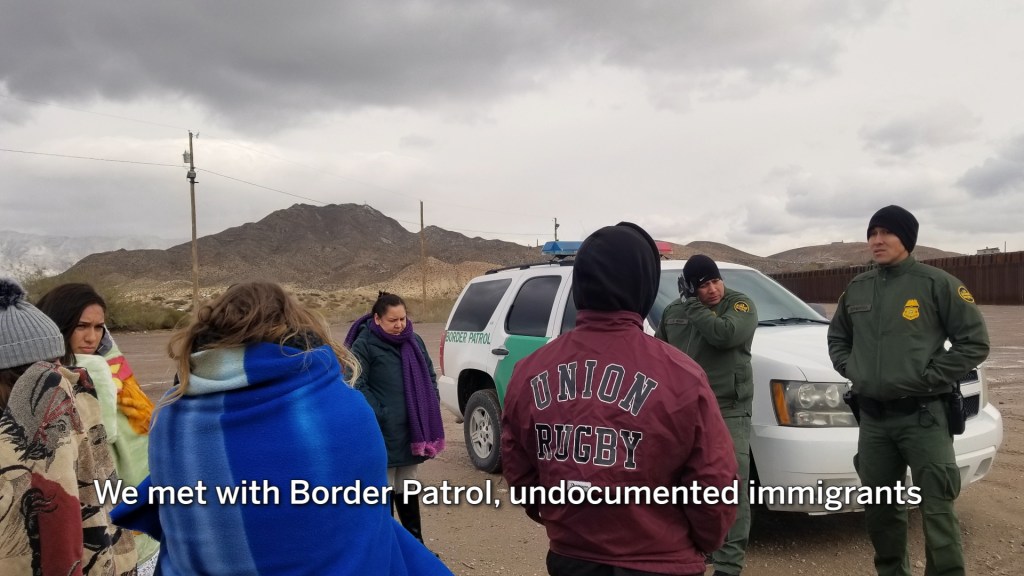
In El Paso, the group spent four days at the Cristo Rey Border Immersion Program with pastor Rose Mary. “The program seeks to educate participants about border issues through personal experience, shared learning, work, and prayer.”
Diocesan Migrant and Refugee Services, Inc.
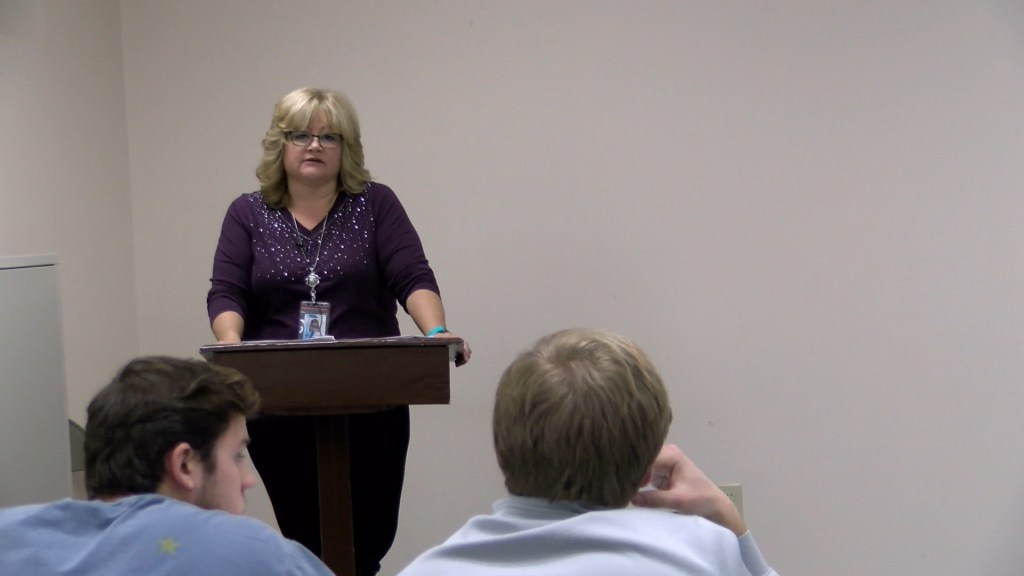
Anna Hey, Deputy Director/Attorney at Law explains the challenges of both immigrating to the U.S. and working on asylum cases. The DMRS is a full-service immigration legal aid clinic serving low-income immigrants and refugees residing in the southwest.
Children at the Wall
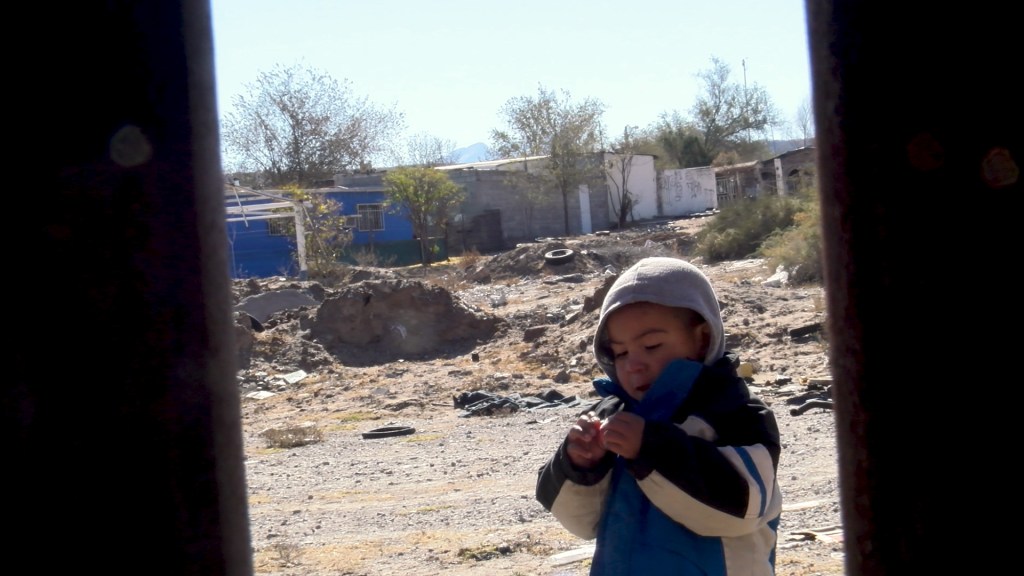
While visiting the wall in El Paso-Juárez, the group meets a group of young children.
Annunciation House
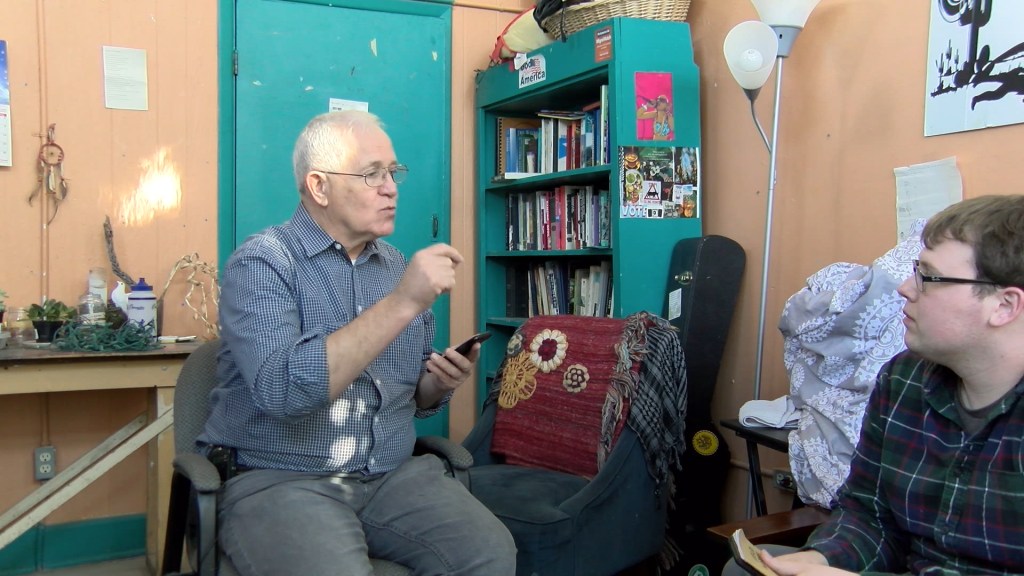
Reuben Garcia, Director of Annunciation House speaks about the organization’s history and some misconceptions regarding immigration and immigrants.
White Sands National Monument
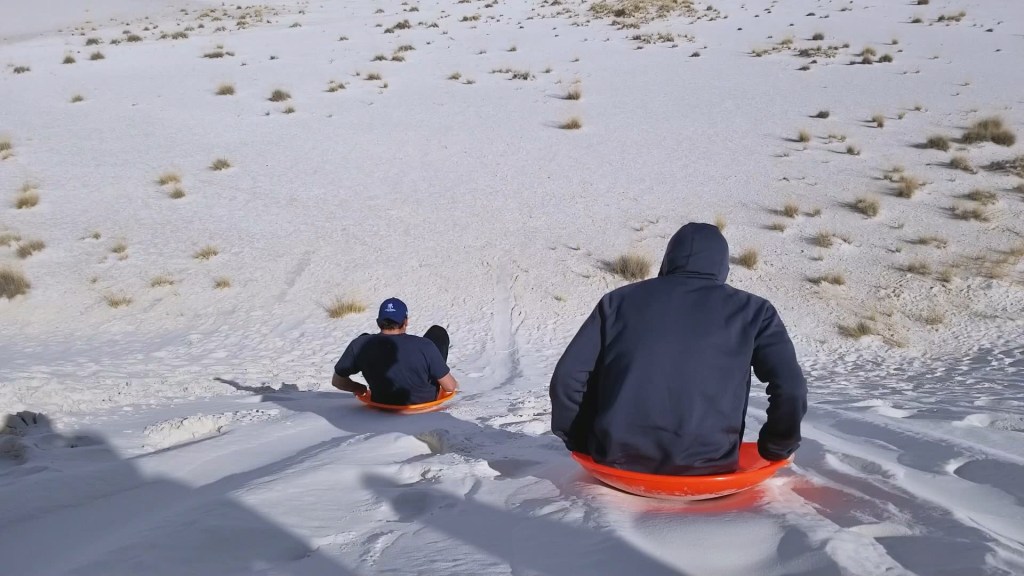
A brief break and showcase of one of the recreational stops on the trip. White Sands National Park, covering 275 square miles, is the largest gypsum sand dune field in the world.
Robin Hoover in the Desert
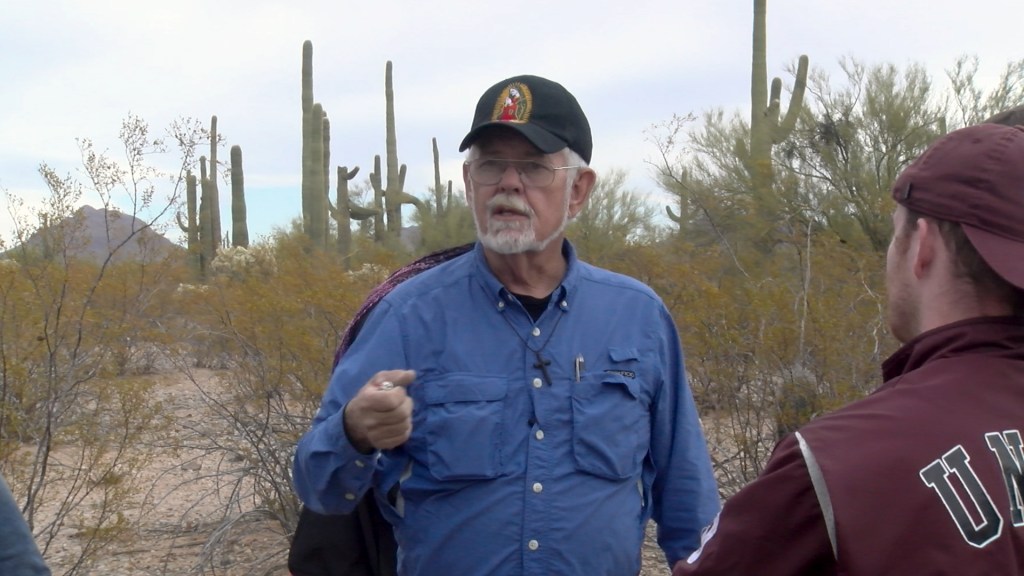
Robin Hoover, retired founder of Humane Borders, talks about the operations of the humanitarian group, stories of migrants in detention, and efforts to identify human remains found in the desert.
Robin Hoover Part II
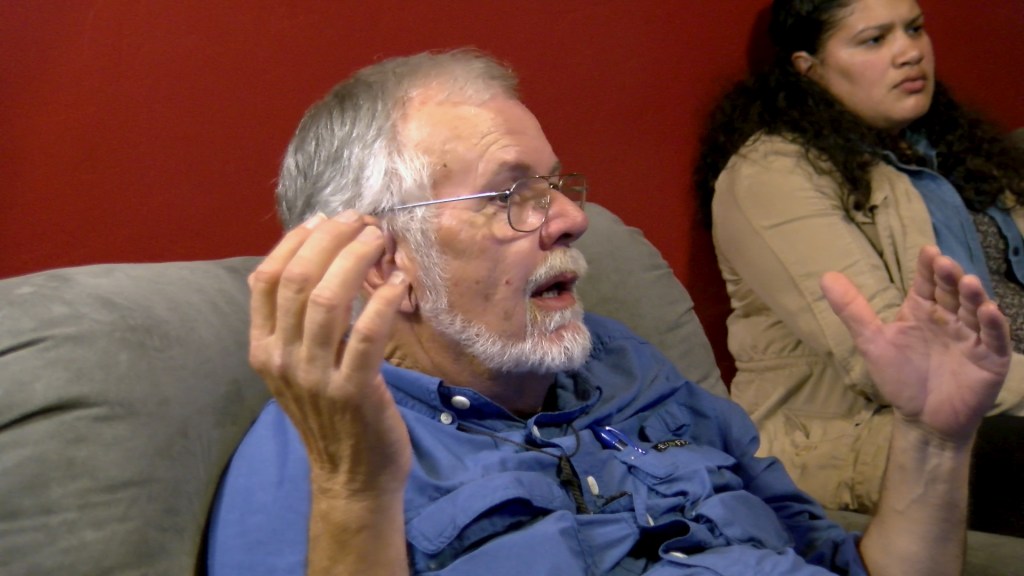
Robin Hoover, speaks about the role of religion in humanitarian groups, about the enforcement methods effectiveness or lack thereof, and the ways in which Humane borders and other groups have tried to limit deaths in the desert.
Day With Humane Borders
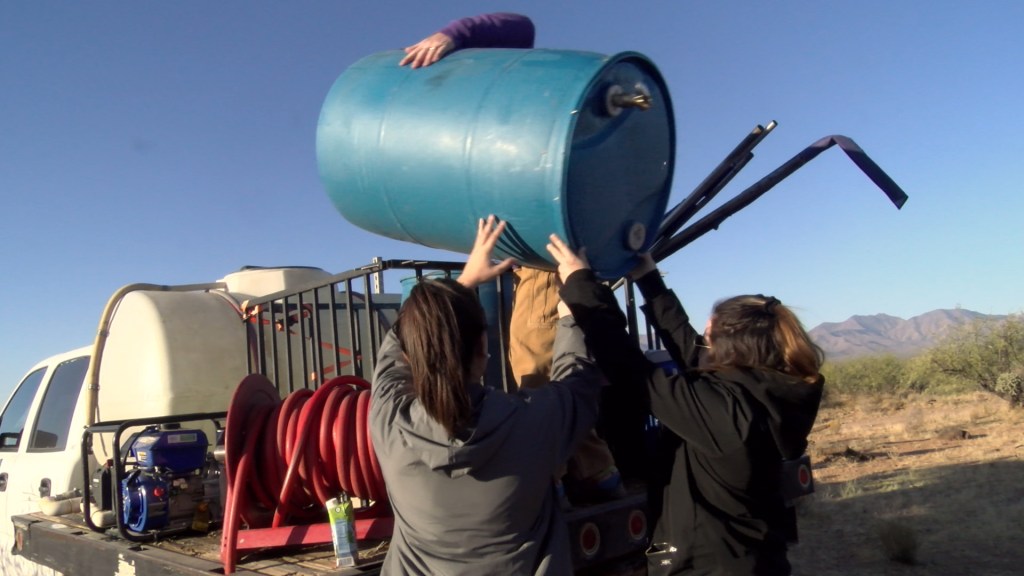
The group goes out with a Human Borders volunteer to inspect the water stations, check for vandalism, and monitor water usage.
Ending and Credits
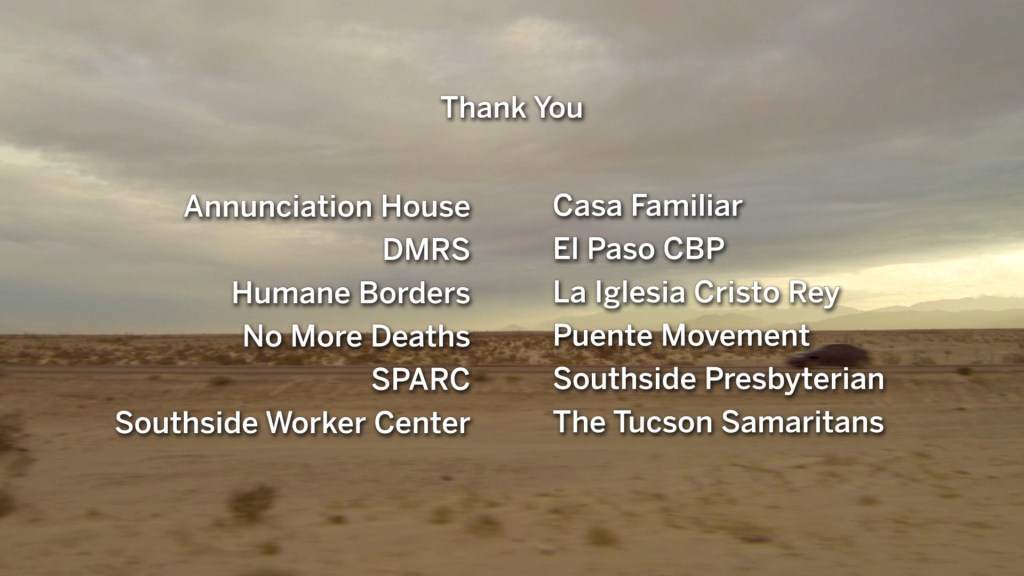
A wrap-up of the trip, with a few words from Professor Victoria Martinez about the trip and the importance of outside-the-classroom learning, and the credits.
 Kevin William Jordan